
| Term | Description |
|---|---|
| Salmiac | Salmiak (ammonium chloride) is a rock salt. It is industrially produced for the food industry, a white sour-salty tasting fine granulate. A maximum of 7.99 percent salt is permitted in the recipe, this must be labelled as "Extra strong adult liquorice - not children's liquorice". |
| Salmiac pastilles | The salmiak pastille is the best-known salt lozenge in Germany. The small lozenges combine the smoothness for the throat of natural licorice with the anti-inflammatory effect of salmiak salt. |
| Salty Liquorice | In northern Europe, people like to eat salty liquorice. Salt (sodium chloride), sea salt or salmiak salt is added to the liquorice. A maximum of 7.99 per cent salt is allowed in the recipe, this must be labelled as "Extra strong adult liquorice - no children's liquorice". |
| Shellac | Shellac is a resin secreted by the scale insect after it has fed on the sap of certain trees (poplar fig, jujube) in India and Thailand. The resin that has become solid is cut off the bark. |
| Starch, modified | Starch is a carbohydrate and complex sugar that occurs naturally in grains and potatoes. |
| Strong liquorice | If the glycyrrhizin content exceeds 0.2 g per 100 g, the liquorice products are labelled as ‘strong liquorice’. The Federal Institute for Risk Assessment (BfR) considers up to 100 mg of glycyrrhizin per person per day to be safe for health; this corresponds to 50–70 g of standard liquorice products. |
| Sugar free | In sugar-free liquorice recipes, sugar is replaced by sugar substitutes that taste sweet but are excreted by the body without being metabolised. |
| Sugar substitute | Sugar substitutes are characterised by their low calorie content and lack of influence on blood sugar levels. There are two subgroups of sugar substitutes: |
| Sweetener | Sweeteners are synthetically produced compounds such as acesulfame, aspartame, steviol glycosides, saccharin and others. Sweeteners are more than 30 times sweeter than sugar and contain virtually no calories. According to the European Food Safety Authority (EFSA), they are only permitted in certain foods and only in small quantities. |
- Liquorice specialist • since 1997 •Liquorice Shop
 Liquorice Shop
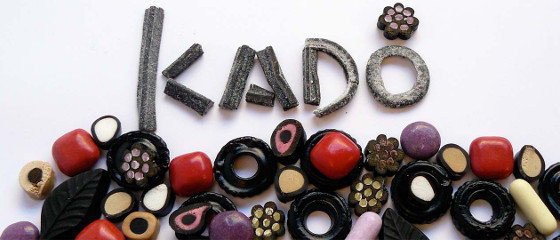
Welcome to the liquorice paradise! Whether you are looking for your favourite liquorice or are surprised by the handmade liquorice blends, would like to delight your loved ones with a gift, liquorice subscription, voucher - choose your category and immerse yourself in the liquorice variety of kadó. Here the heart of a liquorice fan beats faster!
- Sweet-Mild Liquorice
 Sweet-Mild Liquorice
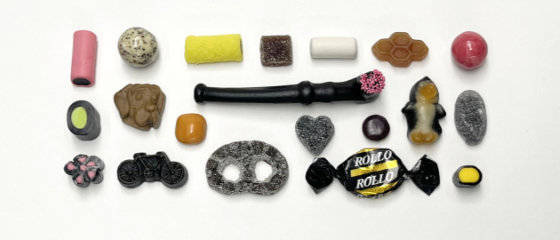
Our selection of sweet and mild liquorice ranges from aromatically soft, fruity filled and variegated licorice. The offer is as wide as there are sweets in Europe. No liquorice is the same here!
Liquorice - Mixtures Liquorice - Mixtures
If you want to get to know the variety of liquorice from Iceland to Sicily, you have the opportunity here. Choose a flavour and the respective mixture offers the spectrum of flavours. Liquorice crosses through our range, good for beginners and explorers. Get ready to be surprised!
Liquorice - Subscription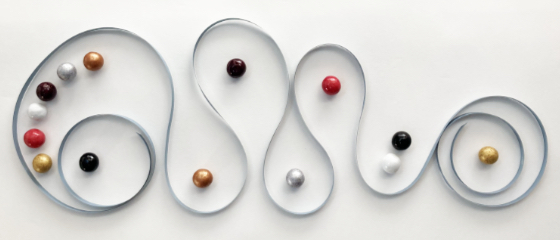 Liquorice - Subscription
With the liquorice subscription, our variety of liquorice is tasted in peace and quiet, for a year. Or a half for a sniff. The liquorice shipments always arrive in the mailbox on the 10th of the month. If you want to make yourself or a liquorice fan happy, subscribe to liquorice in the house!
Liquorice - Presents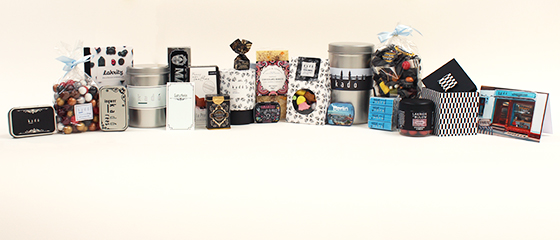 Liquorice - Presents
Make you happy with liquorice from kadó - for example with a liquorice mixture in a beautiful jewelry box or tin, an entertaining read about black passion, a cookbook with cooking ingredients, a liquorice subscription or a voucher? There is something presentable for every budget!
Sweet-Bitter Liquorice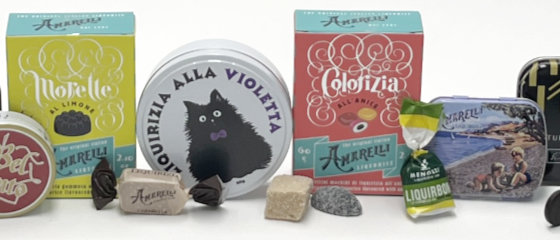 Sweet-Bitter Liquorice
Our sweet-bitter, or "romaneque" liquorice with its natural flavours is from the South of Europe. Just like a mediterranean garden, these sorts are flavored with mint, citrus, elderflower, blackberry, honey, violet or aniseed. Experience the origins of liquorice here!
Liquorice - OffersSalty Liquorice Salty Liquorice
The coastal inhabitants probably invented the addition of salt to liquorice. The Netherlands and Scandinavia shape this category with wonderfully spicy combinations. The rough sea air can be found in the licorice varieties. Salt liquorice greets sea breeze - Ahoy!
Liquorice - Voucher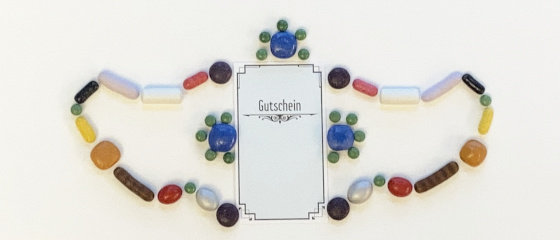 Liquorice - Voucher
With the liquorice voucher you give away the key to the liquorice paradise. Whether looking forward to our liquorice variety and real indulgence in liquorice enjoyment - leave the decision to the recipient!
Liquorice - Box & Tin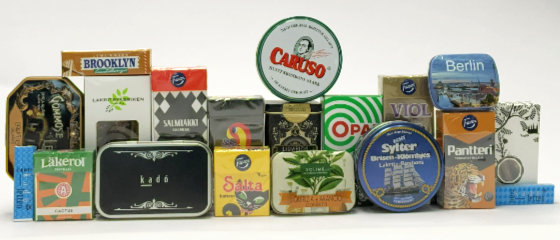 Liquorice - Box & Tin
Our boxes, tins, and dispensers are small liquorice greeting cards from all over Europe, each with its own unique design. These little tins are nice and handy, ideal companions for on the go!
Extra-Salty Liquorice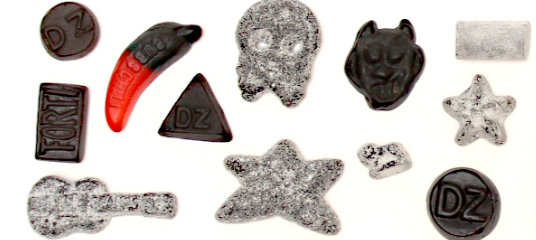 Extra-Salty Liquorice
Our extra salty liquorice varieties are only for adults. They are scratching the permitted limit of 7.99 percent added salt. Whether black and double salted or licorice sprinkled with a salt crust - no eye stays dry here!
Salmiac Liquorice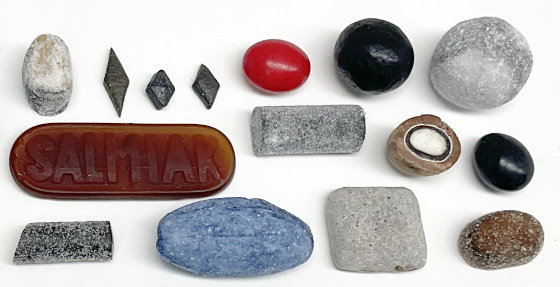 Salmiac Liquorice
If you only know Salmiak from cleaning, you've missed the best. Known as rock salt since ancient times, ammonia is still used for seasoning. Depending on the recipe, liquorice is given a mildly spicy, sweet-hearted or spicy note by ammonia. Liquorice for adults!
Pure Liquorice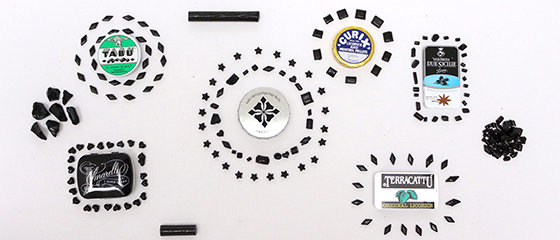 Pure Liquorice
These tiny pieces of liquorice come from Italy, France and Spain and bring southern natural aromas such as mint, violet, anise and citrus. The circulatory stimulant clycyrrhizin is part of this natural product. That's why you shouldn't consume more than 5 grams of pure liquorice a day!
Liquorice - Beverages Liquorice - Beverages
Liquorice in its liquid state is a species in itself: on ice, in cocktails, as an infusion, for lemonade or pure enjoyment - just sniff and sip!
kadó in Berlin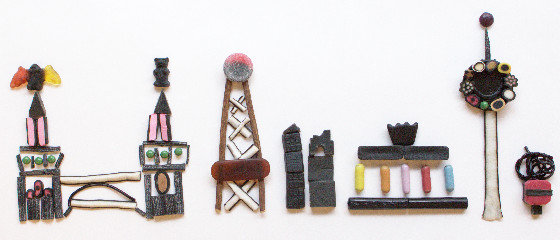 kadó in Berlin
- Liquorice Online-Store
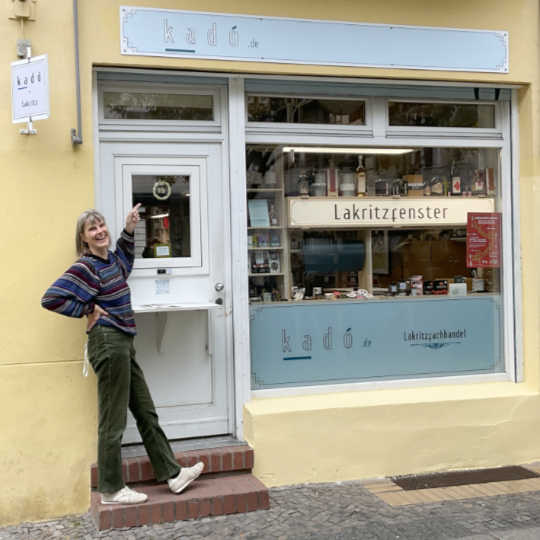 Liquorice Online-Store
We are there for you from Mon to Sat! Whether collection or dispatch desired. For spontaneous liquorice cravings... just ring the bell, sing, dance ...
Liquorice in the Cinemas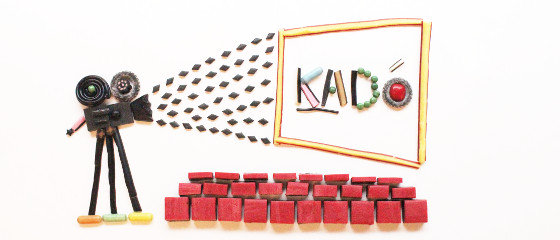 Liquorice in the Cinemas
Liquorice to the movie? Selected cinemas in Berlin offer some liquorice mixtures to the film. Sweet or salty, black-coloured and delicious. Enjoy a black eve!
kadó inside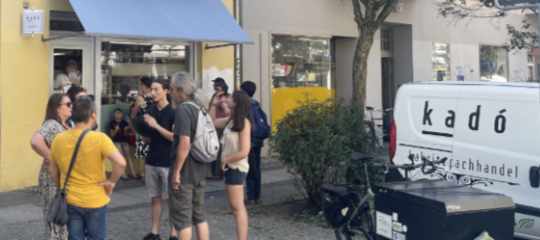 kadó inside
kadó behind the scenes. Anyone who wants to find out what it's like in the kadó liquorice shop has the opportunity to do so on a guided tour with Eat the World. kadó is the "culinary partner" of this delightful offer and opens its whispering door just for the tour guests.
kadó for companies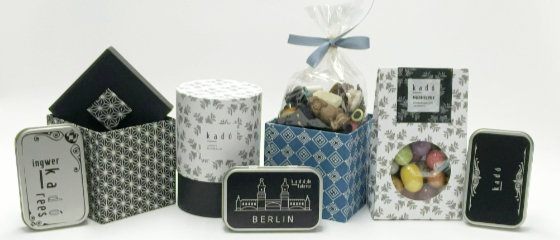 kadó for companies
For small and medium-sized companies looking for something special, liquorice from kadó is the perfect gift. We have gifts to suit individual tastes. Contact us and have a chat about liquorice from Europe!
About liquorice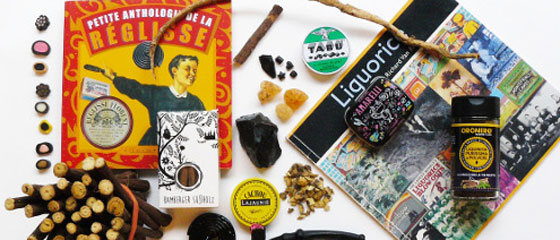 About liquorice
What is liquorice? Do all liquorice taste the same? Cooking with liquorice? Here we chat from our liquorice knowledge, tell how it came to the book about liquorice, show how liquorice is produced, inspire to cook with liquorice powder. And are curious about your liquorice anecdote!
- Liquorice - Dictionary
 Liquorice - Dictionary
Quick facts worth knowing about liquorice
Liquorice Know-HowLiquorice Know-HowLiquorice! Find out more about production, ingredients, health aspects, origin and history. What is liquorice? Questions and answers about liquorice can be found here.
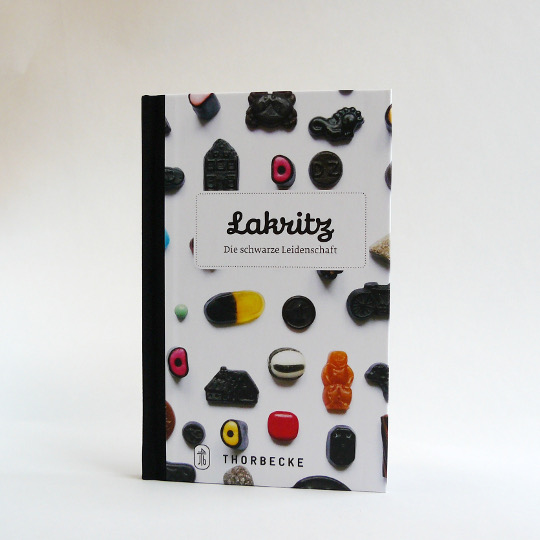
Liquorice - The Black Passion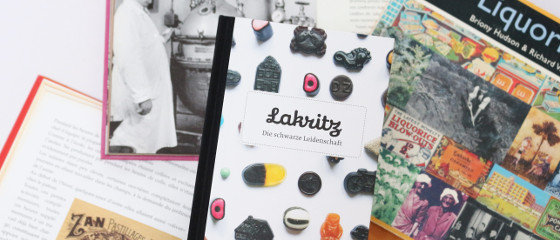 Liquorice - The Black Passion
We wanted to explore some questions that we had heard frequently at work: Why is liquorice black? Is "salmiac" a type of liquorice too? What is the deal with "bears poo"? So we developed the idea to tell a few interesting and funny stories around liquorice in a little book. Viola!
Liquorice - Production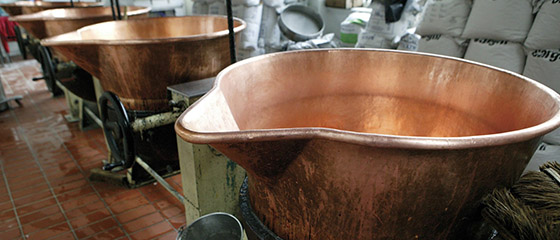 Liquorice - Production
The example of our ginger liquorice shows how liquorice is produced. This recipe was commissioned by kadó and developed in the food laboratory. Our salty sea urchins and our cinnamon glaze jelly are also exclusive kadó!
Liquorice - Recipes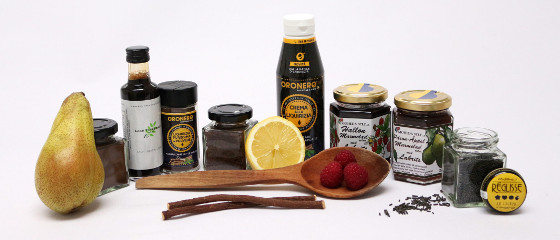 Liquorice - Recipes
Liquorice moves into the spice racks not only of professional chefs. Liquorice powder gives the special touch of pasta, salad dressing, jam, meat and pastries. Here is fried, boiled and tried. Start with our cookbox, ...we look forward to your recipe, please to info@kado.de
About kadó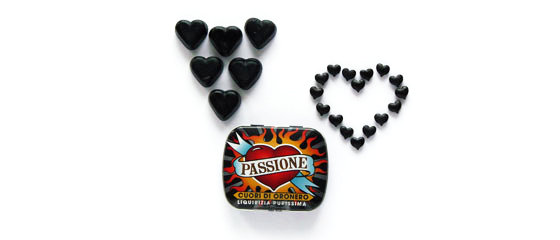 About kadó
In 1997 the first One-Thing-Liquorice-Shop was founded in Berlin-Kreuzberg. kadó, inspired by french cadeau, should become a gift to every liquorice fan. Media accompanied kadó from the beginning, it´s a journey through time by its own. As our little kadó-story is. Have a look!
- About us
 About us
Luckily enough, throughout the years we took a photo every now and then during work hours. And without this little photographic treasure trove, we wouldn´t be able to tell the kadó story, from the very beginning until today. An amusing read, followed by a smile guaranteed!
kadó in the media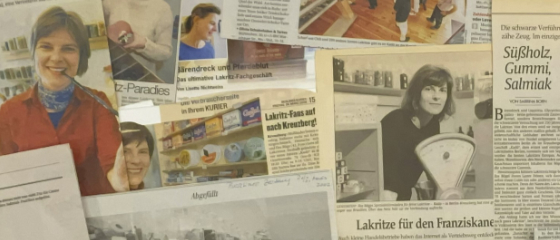 kadó in the media
kadó was established in 1997 as the first specialized Liquorice Shop in Germany. This was discovered by some media, and they followed and reported on the store. Travel back in time with the help of our archive - radio, tv, press and web!
kadó Memories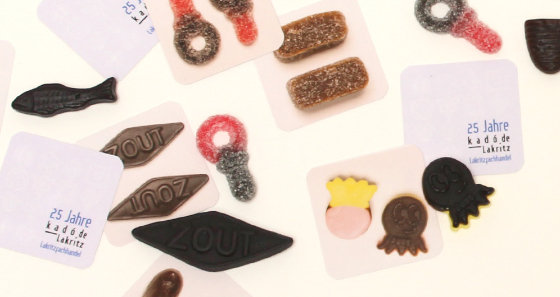 kadó Memories
Fancy a game? Choose one of the six and join kadó on a journey through the company’s nearly 30-year history
kadó hopes you have fun!Liquorice - Poems Liquorice - Poems
Liquorice poetry is created when lovers share their fondness with us. Poems to liquorice you can read here...
Liquorice - Stories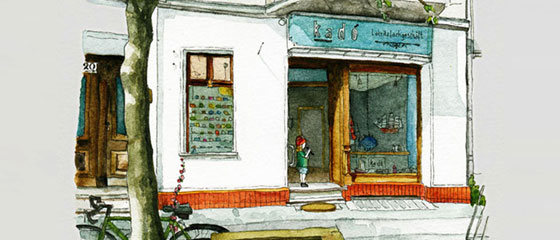 Liquorice - Stories
The small and large liquorice monsters visit us every day and we share our liquorice stories. Some come from early childhood, others only start with kadó. We are always curious to hear a new one - your turn!
Liquorice - Dictionary
Quick facts worth knowing about liquorice
Behind the scenes
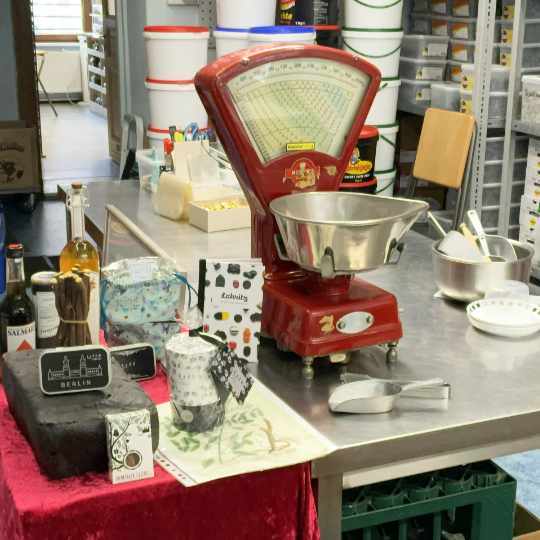
Would you like to have a look?
Shopping at kadó
goes like this ...
Recommendation
kadó on Pinterest
Follow us on Pinterest
To top of pageWe only use technically necessary cookies for the functionality of our online shop. You can find more information in our in our privacy policy.