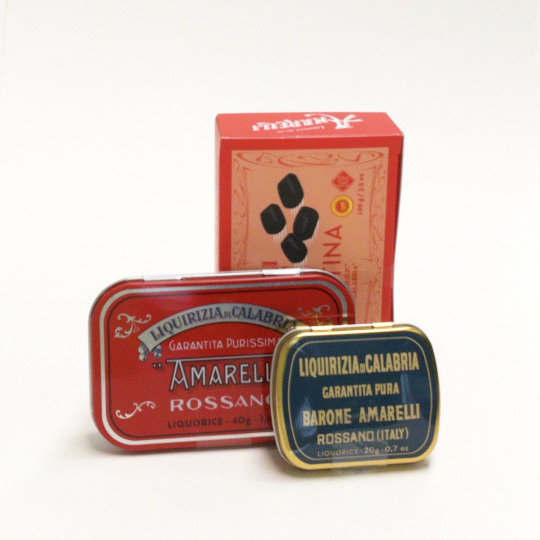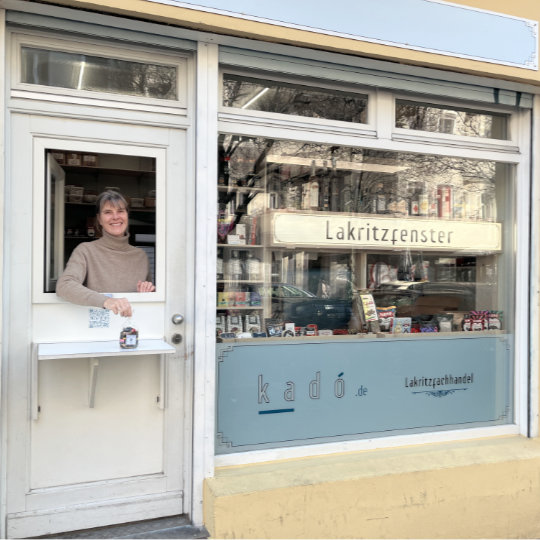



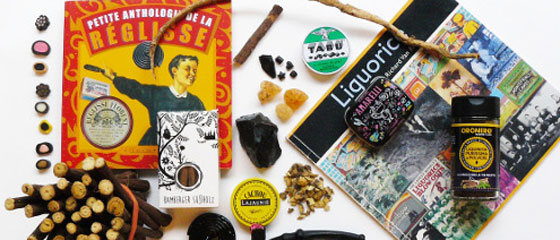

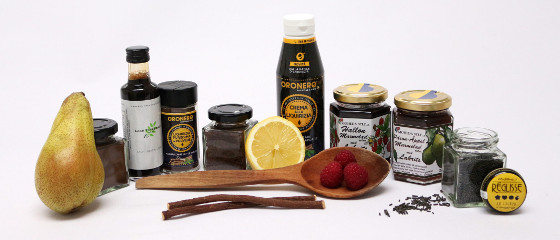
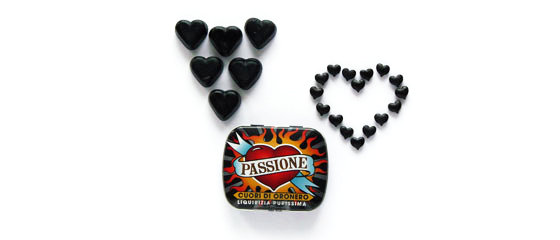
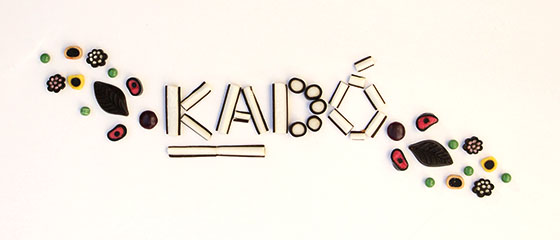
Salmiak (ammonium chloride) is a rock salt. It is industrially produced for the food industry, a white sour-salty tasting fine granulate. A maximum of 7.99 percent salt is permitted in the recipe, this must be labelled as "Extra strong adult liquorice - not children's liquorice".Here at kadó, we often get asked: Do those LiquoriceLiquorice is a natural plant product of the liquorice root. Its black colour comes from the vegetable carbon dissolved in the cooking process. Pure liquorice tastes sweet-tart, bitter. The consistency is hard as candy. sticks from East Germany still exist? Hard and chewy they were, rough and tangy. Approx. 10cm in length, wrapped in paper, black and delicious! Hm – a case for kadó!
We researched the federal archives and found first clues about the confectionary combinations in the GDR:
In 1898, Oswald Stengel founded a Gingerbread- and Chocolate Factory in Wilkau-Haßlau, Saxonia. With the emergence of the GDR, his son “sold” the factory to the county of Saxonia and the factory was restructured and declared the “Publicly Owned Factory for Confectionary Wesa”.
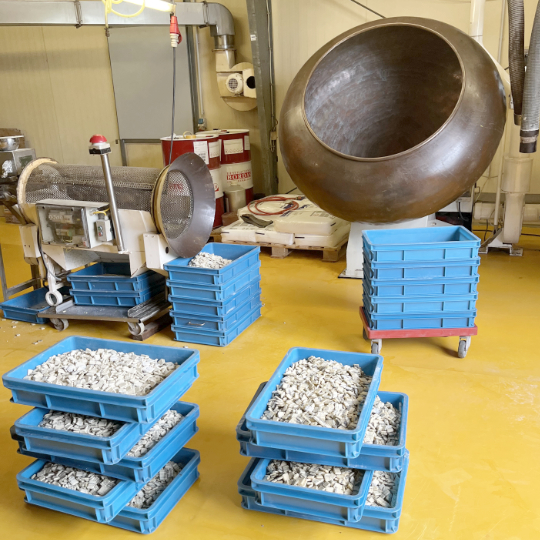
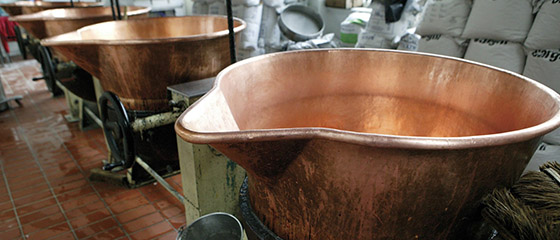
On the 16.11.1973, the new director asked for permission to conduct “complex restructure of the Liquorice and gelatine ProductionLiquorice is cooked. First, the Pane Liquirizia is extracted from the liquorice root, then the liquorice extract is processed with other ingredients to make a sweet or salty liquorice recipe, depending on taste., including the improvement of working and living conditions” to the council of Karl-Marx-Stadt. The ministry of Industry and Food Production in Berlin approved of this and this special Liquorice stick was the first item to be produced in this newly restructured factory. However, it was only meant as a temporary product, to practice for the Production of proper Liquorice confectionary. So only a single generation of people in the GDR were able to enjoy these special Liquorice sticks. In 1974, Production ended and the recipe has been lost ever since. We are sorry!